
 Read on Twitter
A thread of wildlife garden rock star  plants and a few disaster species to avoid
  @LGSpace @YorksWildlife @WildlifeGardenP
plants and a few disaster species to avoid @LGSpace @YorksWildlife @WildlifeGardenP
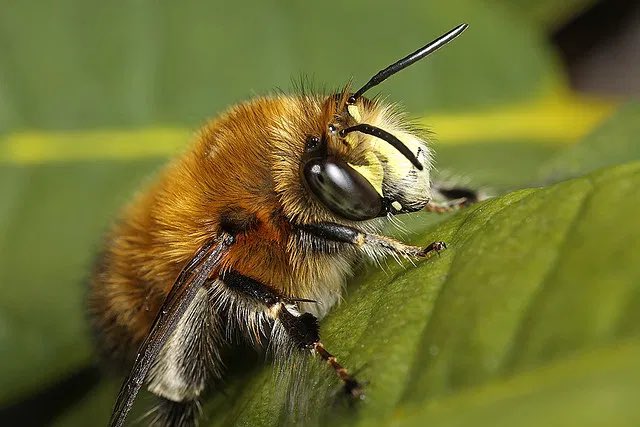
First up a genuine unsung hero of the wildlife garden, lungwort. Pulmonaria longifolia is a British native but European P.officinalis is widespread. A shade lover providing early food and a hub for hairy footed flower bees. Spotty leaves are a standout when not in flower

 An obvious favourite, the Apple tree. Fantastic for nectar when flowering and if you’re willing to leave some fruit crop winter thrushes will gorge on the fruit. If you’re not interested in harvesting the fruit then crab apple has exceptional wildlife value

 To prove that wildlife friendly doesn’t have to mean understated, the foxglove is wonderful for many bee species but also as a feeder plant for the foxglove pug moth
 Now for a no no. Cotoneasters are often touted for their berries which are readily consumed by birds. However the seeds are also readily spread by those birds resulting in the plant becoming an increasingly widespread invasive species in the wider countryside. Avoid
 There are a number of single flowered roses which can be beneficial to wildlife providing nectar and winter food in the form of the hips. The rambling nature also provides structure and refuge.
 The humble hawthorn is a larder from spring to spring. Nectar, pollen, fruit as a hedge species or tree. Also a hugely valuable food plant for a number of moth species, Hawthorne shield bug. Try to fit it in if you can

 Sigh, rhododendron. Much loved, ubiquitous in many woodlands & is an ecological disaster. Outcompetes pretty much everything, changes the soil composition, hosts a number of tree diseases and seeds spread on the wind in their thousands. Avoid.
 love for pond plants now. As essential a plant as you can have, rigid hornwort is a wonderful free floating oxygenator which provides shelter for many species as well egg laying habitat and is eaten by aquatic bird species if you’re lucky enough to have a pond that large
 one for the hipster home brewers. Hops are the food plant of the comma butterfly as well as many moth species. This rapid grower is an excellent plant to create vertical growth although it does die back completely in the winter limiting its value for winter food and shelter
 A gardeners favourite, depending on the cultivar alliums can be of real value in a wildlife garden. Letting leak or onion go to flower, chives etc can result in large numbers of bees visiting.


